Now that hockey's championship chase has narrowed to a final four, the league's quiet season looms just ahead.
Play has concluded for most teams around the circuit, Washington among them, yet the hockey schedule is set to crank up again. Spanning the championship round, the entry draft, and the launch of free agency, a handful of significant dates draw near.
What follows is a rundown of the headline offseason checkpoints and the ways a few could shape the Capitals' summer.
---
The 2026 offseason calendar's biggest markers
- This year's Scouting Combine: May 31 through to June 6
- Initial buyout period opens: two days once the title series ends, or else June 15
- Club's first salary-arbitration election, notification deadline: whichever comes later between two days past the final and June 15
- Final date a playoff contest could fall this spring: June 21
- This year's entry draft: June 26, continuing into June 27
- Last day to extend qualifying tenders: June 29
- RFAs become free to hold offer-sheet conversations: June 30
- The free-agent market opens: July 1
- Player's arbitration election, notification deadline: July 5
- Club's second arbitration election, notification deadline: July 6
- Stretch reserved for arbitration sessions: July 20 running until August 1
- Last day for arbitration verdicts to be handed down: August 3
---
What it means for Washington
Although the opening buyout stretch kicks in either on June 15 itself or a couple of days after the championship round wraps, Washington seems unlikely to take part. The team faces no cap troubles in the months ahead and carries no onerous deal heavy enough to warrant buying a player out and smearing the charge across later years.
The first checkpoint that could realistically affect the club is its deadline to declare a first club arbitration election (whichever falls later between June 15 and two days past the title round), since Washington rosters a pair of arbitration-eligible RFAs at the NHL level: Hendrix Lapierre and Connor McMichael. The process amounts to a club requesting a session before an impartial third party tasked with setting what an RFA earns.
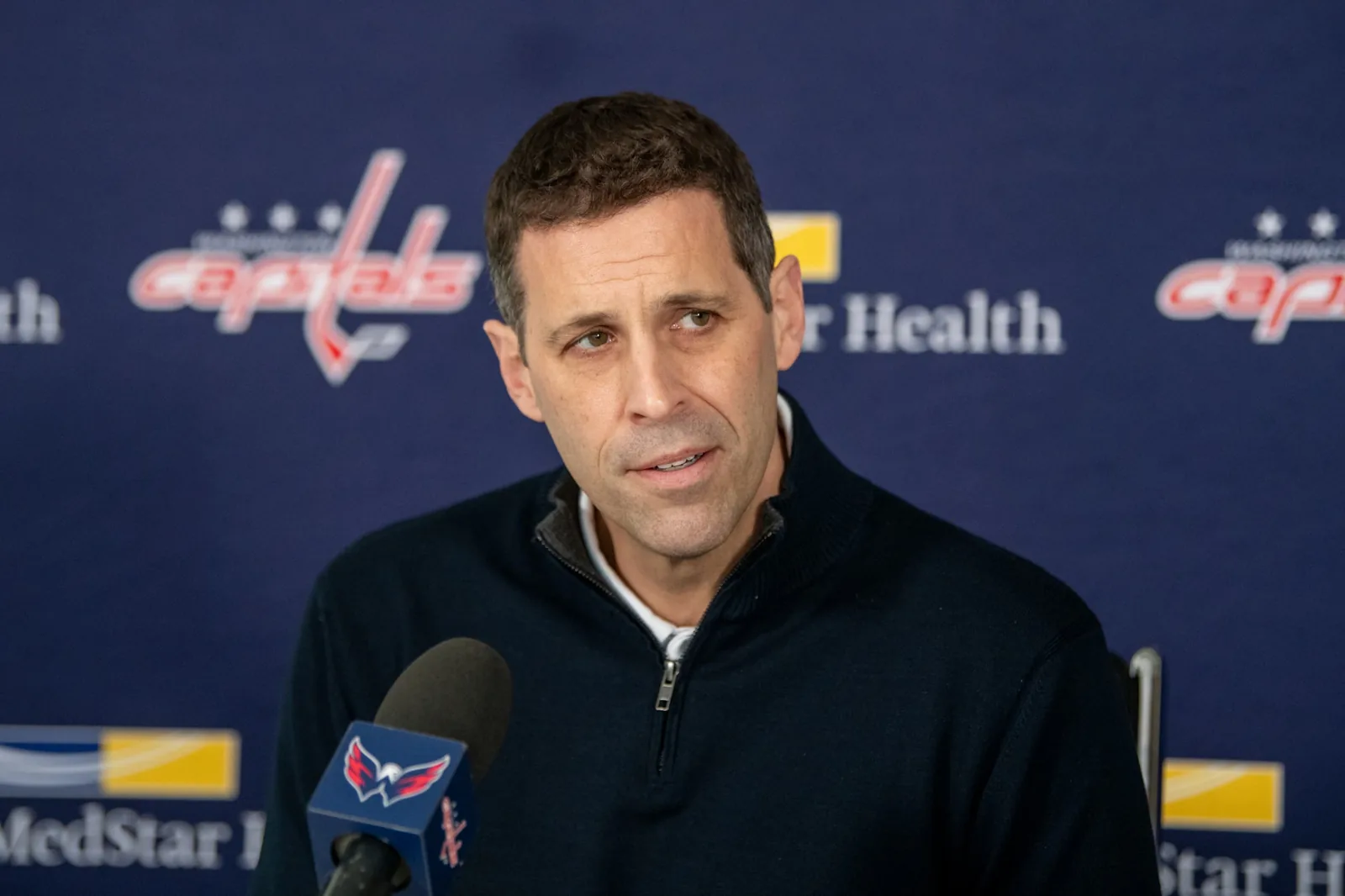
Regardless of whether the club or the player elects it, arbitration may be sidestepped when the sides reach an extension ahead of any session. Participation isn't required, and the team already looked to be trending positively on both fronts when GM Chris Patrick spoke with reporters during April.
Next up for the club is the entry draft, which runs June 26 into 27, where Washington owns two first-rounders landing in the mid-teens. Whether it cashes those in on a pair of prospects or packages them to acquire the top-six scoring help it covets should become clear at or shortly before that draft.
Once the draft wraps, the lone remaining non-arbitration dates of note arrive at June's close and July's opening. From that June 30 point onward, teams may approach other clubs' unsigned RFAs about a potential offer sheet. The matching pay thresholds and the draft-pick prices tied to those deals for the offseason had surfaced earlier in the week.
The free-agent market opens July 1, by which point Washington should sit among the teams carrying the most spending room. According to PuckPedia, the Caps sat a touch beyond $33 million in available room as of May 23, following Wednesday's fresh deal for defenseman Timothy Liljegren.