By Peter Hassett — posted Oct. 11, 2025, in the morning
Starting October 1, the duo of streaming platforms — Hulu together with Google's YouTube TV — removed the regional channel that acts as the chief outlet and rights holder for Washington's hockey club. Practically overnight, a vast number of viewers spread across the DMV lost the ability to watch any Caps contest not aired by a national broadcaster.
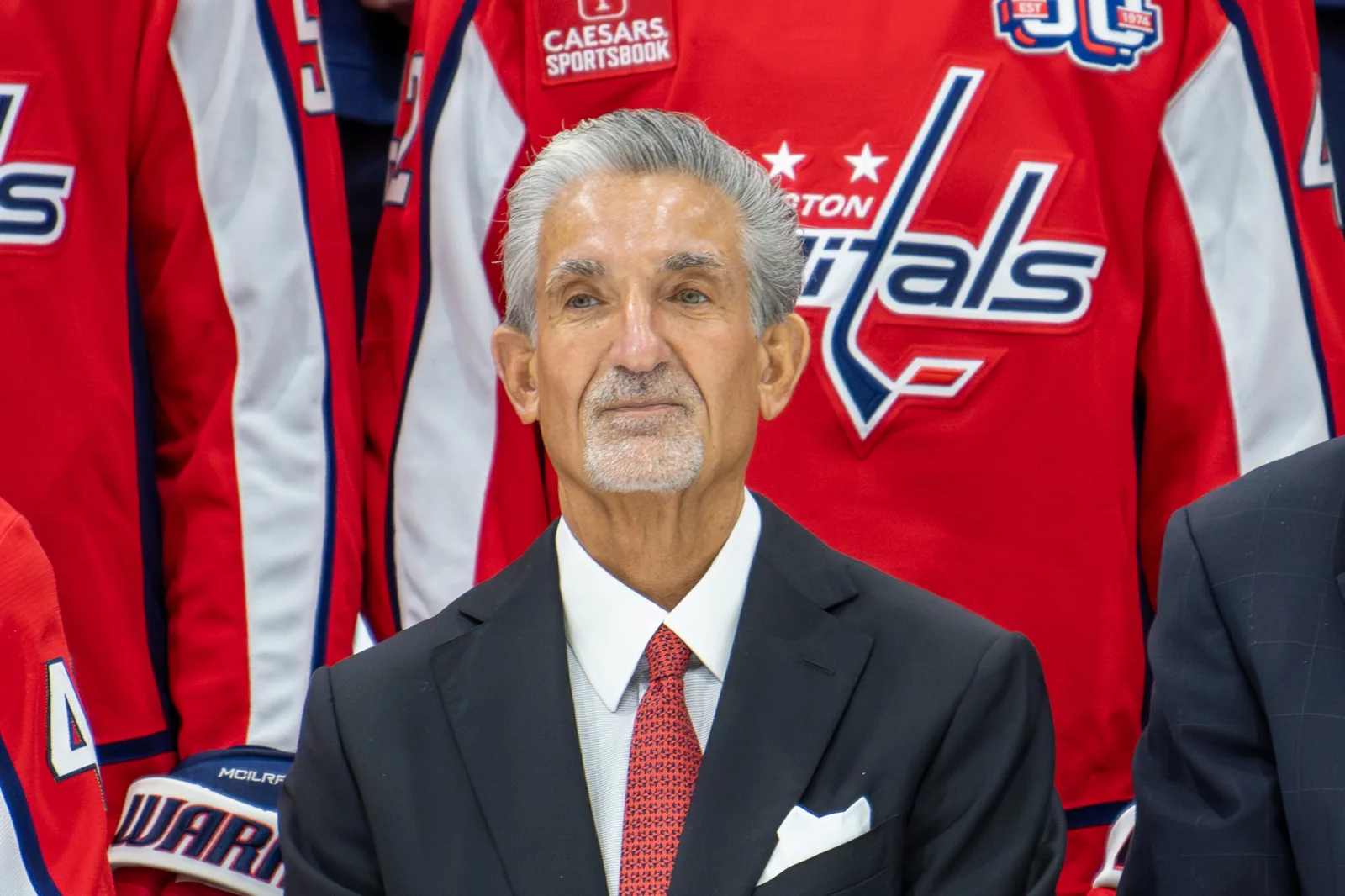
The damage has been considerable, and the fan base has made noise about it. In a reply aimed at owner Ted Leonsis over on X, one supporter blasted what they saw as disgusting greed. A second called the situation ridiculous, lamenting that ordinary fans bear the cost as billionaires bicker over dollars. Audiences have pleaded with the owner to strike a bargain putting the outlet back on those apps, but the genuine roadblock during negotiations isn't ownership greed. Rather, the trouble stems from the way a small group of enormous conglomerates — each one dwarfing the team's broadcaster — have seized control over what audiences see and the manner in which they see it.
Throughout this whole episode, the only winners are those giants.
The slow erosion of cable television
Though the two services run over the internet, the story has its beginnings in cable.
Traditional TV crested in the summer of 2001, a point at which 88.3 million households nationwide subscribed to a conventional package. From there, online media's growth, a run of financial shocks, and the pandemic each wore that figure down over time. Estimates vary, yet the industry might have shrunk by something close to 40 percent.
For ages, local team coverage was a fixture of cable lineups. That first outlet, Madison Square Garden's network, has run for fifty years as a so-called regional sports channel. The one carrying Washington's hockey club boasts nearly equal history, going back to an operation called Home Team Sports launched early in the 1980s. By 2001, Comcast — the carrier now dominating cable throughout the DMV — had acquired it in full and reshaped it into Comcast SportsNet Mid-Atlantic, a regional outlet run by the very distributor controlling it. The plan back then called for buying or creating such channels nationwide, in markets including Chicago, Boston, San Francisco, plus the company's Philadelphia base. Once it absorbed NBCUniversal in 2011, the company relabeled all of those SportsNet outlets under the NBC Sports banner — a development that even gave rise to the Kabletown arc during 30 Rock's fourth year. The market for these channels, however, turned sour in a hurry.
Enjoy RMNB without ads
Back the site through Patreon at $5 a month to remove every ad and unlock additional benefits
Learn More
Fox's sports outlets were already in financial trouble by the time they were carved off and rebranded during 2020 beneath the casino operator Bally's, only to be retitled again four years on by mobile-wagering giant FanDuel. A year before that, staring at insolvency, the operating parent — Diamond, known these days as Main Street — abruptly trimmed what it spent on content and bailed on agreements tied to Arizona's Diamondbacks and the Padres of San Diego. Telecom giant AT&T walked away from the sector entirely in 2023. And in 2021, the much-disputed MASN, formally the Mid-Atlantic Sports Network, let go of treasured broadcaster Jim Hunter and scrapped its surrounding studio shows.
Washington buys a channel of its own
In that climate, the franchise's owners at Monumental Sports and Entertainment bought, during 2022, what remained of NBC Sports Washington, after previously controlling a one-third share. Rechristened as the network it is today, the regional outlet aired games for the parent company's franchises: the Wizards, Mystics, and Capitals. The move slotted Monumental into a long tradition of clubs producing their own broadcasts, joining the likes of the Bruins, Cubs, Orioles and Nationals, and nearly every team outside the NFL based in New York.
Franchises broadcasting their own product has proven a double-edged thing. The clubs no longer must beg anyone for airtime, but the resulting coverage tilts dependably positive. Commercially, the upshot has been splintering — a greater number of outlets, each with a narrow agenda and no shared anchor. The likes of MSG, MASN, NESN, and Washington's own channel each operate as separate islands. They command their own fate while sacrificing the unified strength that a conglomerate of such networks could muster.
Advertising does bring the network some money, but only a thin sliver of it. Subscriptions supply the bulk, and cable accounts for most of those subscriptions — bringing us back around to the channel's previous proprietor, Comcast, the country's foremost cable operator and the outlet's chief distributor. Fundamentally, an outlet of this kind makes money by licensing programming to a so-called MVPD (a multichannel video distributor) such as Comcast's Xfinity — in return for a monthly per-household charge running to a few dollars apiece.
While the cable behemoth keeps secret how many subscribers it serves, it ranks as the country's biggest provider of its kind and holds an especially commanding grip — approaching monopoly territory — over Northern Virginia, DC, and Maryland. A base that may top three million gives the firm immense leverage at the bargaining table. An operator on that scale sets the terms for its content suppliers, locking in the cheapest possible rate at every turn. Washington's outlet couldn't put its content up for sale — be it to a competing carrier or aimed straight at households — below the figure Comcast receives.
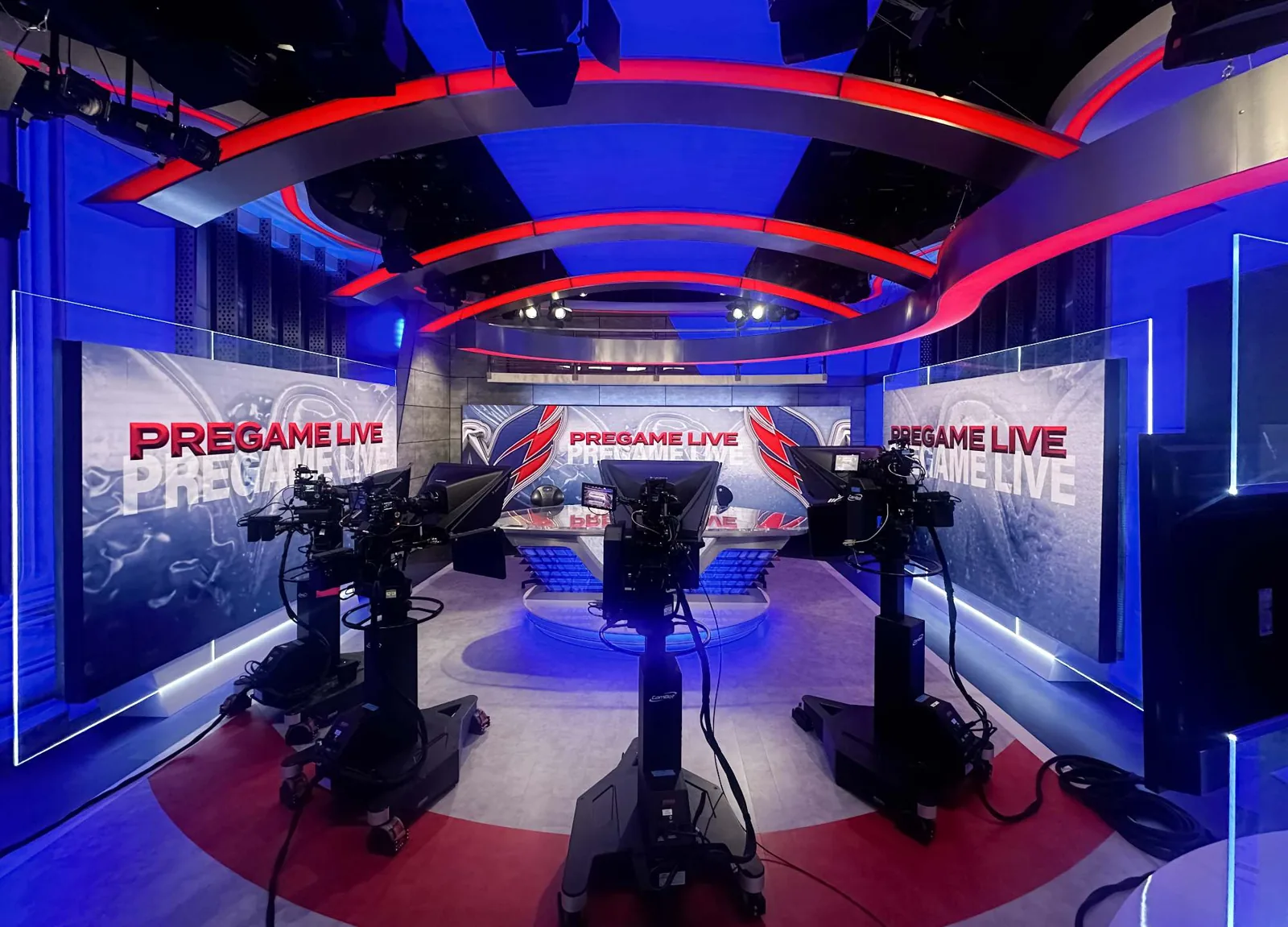
Image provided by the network's studio
That same leverage shows up in how the cable company packages its lineup. In September the firm bumped the outlet up from its entry-level lineup into the pricier "Ultimate" package, adding around $20 onto the bill for most customers. It was simply the newest such network nudged out of the basic offering — precisely the treatment the provider had handed both MASN and Root Sports twelve months earlier. Such moves wound these outlets, which gain nothing extra in their per-subscriber payout just because a costlier tier exists. All the while, fewer households can tune in to Caps hockey, and those who do shell out more. Genuinely benefiting here are the cable firm's executives, temporarily offsetting the relentless erosion from cord-cutting.
Author Cory Doctorow examines how huge firms, once their audience is captive, will worsen the very products they sell so as to funnel worth back toward themselves. The label he gave it is enshittification.
This past January, the cable company greenlit $15 billion worth of share repurchases.
A new breed of distributor
Upon assuming control of its broadcaster in 2022, the firm took over arrangements already running with the two streaming services — the largest of the virtual MVPDs (vMVPDs) and accordingly the gravest threat to cable's reign.
Such virtual carriers operate under wholly different rules. One sits in Disney's hands, a vast trove of intellectual property indeed. Google owns the other — the planet's fourth-biggest corporation, valued at roughly 30 times what Comcast is worth. Oversight of them stays minimal, handled by the FTC rather than the more forceful FCC that polices cable. No government license is demanded of them, and no mandate exists requiring public-interest broadcasts. Ambition is what they carry in its place.
--- "We know how important live sports are to YouTube TV subscribers, but we will not ask them to pay more to continue carrying a channel that very few of them actually watch." ---
Beyond the latter-day prestige dramas and bingeable junk, sports programming has become something the streamers chase. Over the recent summer, basketball's league touched off a battle for its broadcast rights, eventually landing with Comcast (via NBC), Amazon, and Disney (via ESPN/ABC). Reporting from Jon Ourand noted that additional major players were circling. The soccer-centric Fubo joined forces last month with Disney and Hulu. Football turns up on Netflix come every Christmas.
In the eyes of the virtual carriers, sports represents the long-haul wager — though regional outlets fit nowhere within it. Addressing the matter with Axios, YouTube conceded that live sports matter to those who subscribe yet refused to charge them more for a channel barely any of them watch.
Neither service answered when asked to weigh in on this report.
Pulling Caps games off those apps has been framed as a local broadcaster, too greedy by half, getting rebuffed by carriers, but the gradual exit of comparable networks from the virtual platforms hints at something else. Back in 2020, Google's service cut loose Fox Sports; a year later NESN was shown the door; and by 2023 SportsNet New York met the same fate. Washington's channel was among the last of these networks still carried there. With hindsight, its removal was inevitable.
Both platforms plainly crave sports and place value on them — they want even local game coverage — simply not via regional outlets. Backed by their worldwide corporate heft, they can comfortably jettison those networks, choke their income dry, and afterward occupy the vacated ground.
This past December, the Google-owned service unveiled a $10 bump that lifted the monthly rate to $83. Its announcement cited a rising price for content. The cost had sat at $35 in 2017 before reaching $50 two years later. Having torched cash for a decade to amass its viewership, the company is now raising prices even as it simultaneously scales back programming.
A venture that once insisted profitability carried "no timetable" is now running out of time.
The channel's countermove
Back in the fall of 2023, the company rolled out a direct-to-consumer (DTC) plan as a way to keep cord-cutters in the fold. That membership began at $200 annually, yet once the falling-out with the platforms occurred it slid down to $180. As is the case with every carrier, what the network can charge for its DTC tier is bounded by the deal it has with its main carrier: the lowest figure must go to the cable giant.
Yet those price floors weren't where the talks with the platforms hung up. Through a statement released earlier in the month, the broadcaster maintained it had negotiated honestly — putting forward sizable economic give-backs — to retain its spot on each service. A person familiar with the situation, speaking to RMNB, said the network extended every concession technically within its reach. Google and Disney simply weren't interested.
Income counts for these networks, but reach counts more. Games that go unseen can't generate new supporters. The money-making phase — converting fans into dollars — only follows once that reach exists. The broadcaster would far rather stay on the services, tapping into a huge pool of would-be converts. And it would surely prefer keeping the income too. Newly added DTC memberships won't cover what was lost.
An eventual accord pairing the network with the virtual carriers down the road is possible, if doubtful. Whether by means of fresh sports bundles, pressure from regulators, or leagues uniting to negotiate for such outlets, the broadcaster might someday land back on the platforms, though under changed conditions.
For now, the sole avenues fans have for following the Caps are cable plus direct memberships. A rundown on tuning into Capitals games has been put together by RMNB, addressing both traditional carriers and how to stream across all manner of devices.
How to watch Washington Capitals games: streaming and cable